
Real Estate Development – A Complete Guide
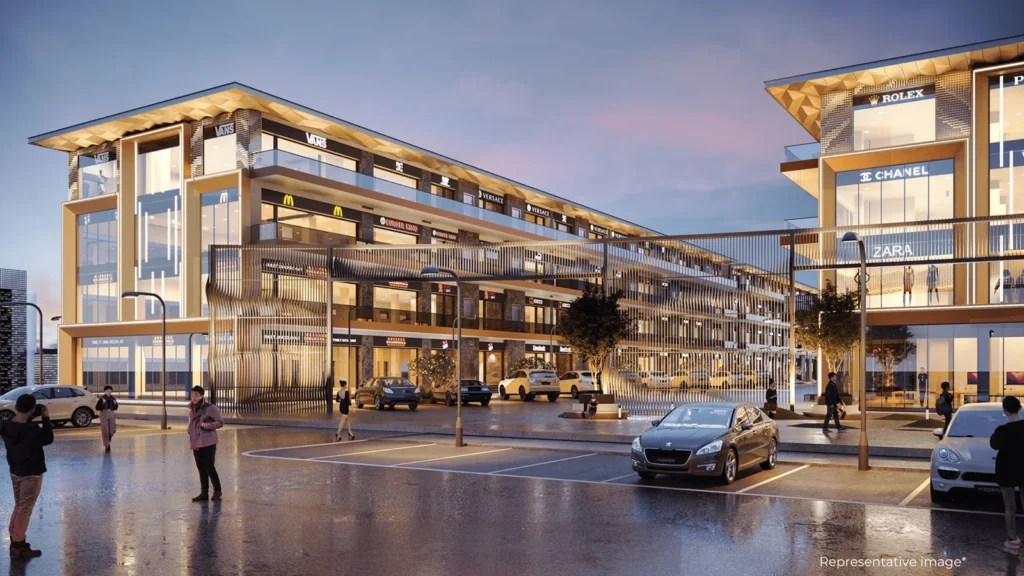
Introduction to Real Estate Development
Real estate development is the process of creating value through the construction, renovation, or redevelopment of land or buildings. It is an active sector that not only shapes the urban landscape but also impacts the economy, society, and lifestyles of people.
Whether it be apartment buildings, commercial developments, or mega-townships, real estate development is a primary driver of urban expansion and infrastructure growth.
In essence, real estate development involves taking a piece of raw land or an underutilized property and turning it into a functionally, economically, and environmentally sustainable space. Development requires strategic thinking, capital investment, market research, legal understanding, and effective implementation.
Developers such as Mansha Group in India have helped transform cityscapes to meet the evolving needs of buyers and investors through thoughtful and innovative design.
The Stages of Real Estate Development
1. Land Acquisition
Acquiring the right piece of land is the first step. Developers spend significant time researching potential areas, zoning regulations, and growth potential. Key considerations include connectivity, infrastructure, and long-term demand prospects.
2. Market Research & Feasibility Analysis
Before starting development, studies are conducted to understand local demand, preferences, and competition. Feasibility studies evaluate financial, environmental, and social aspects to determine whether the project will be successful.
3. Planning & Designing
The design phase involves collaboration between architects, engineers, and urban planners. Whether it’s a luxury apartment, a commercial tower, or an integrated township, the design ensures the project is functional, safe, and aesthetically appealing.
4. Legal & Regulatory Approvals
Real estate projects require multiple approvals—zoning, environmental, and building permissions, as well as RERA compliance. Developers must adhere to local and national laws to avoid legal or financial setbacks.
5. Construction & Execution
Once approvals are secured, construction begins. This stage demands effective project management, strict quality control, and adherence to timelines to ensure successful execution and delivery.
Types of Real Estate Development
1. Residential Development
Includes low-rise and high-rise apartments, villas, row houses, and plotted developments.
Focuses on safety, comfort, and lifestyle, offering amenities such as parks, gyms, and community spaces.
2. Commercial Development
Covers office buildings, IT parks, business centers, and co-working spaces.
These developments boost employment and attract corporate investment.
3. Retail Development
Comprises shopping malls, supermarkets, and standalone retail outlets.
Driven by consumer behavior, retail development reflects lifestyle trends and purchasing power.
4. Industrial Development
Involves warehouses, factories, and logistics parks.
These are vital for manufacturing efficiency and streamlined supply chain operations.
5. Mixed-Use Development
Combines residential, retail, and commercial spaces within one project.
Encourages a “live-work-play” lifestyle and enhances urban convenience.
Importance of Real Estate Development
Economic Growth: Contributes significantly to GDP and employment generation.
Urbanization: Drives city expansion and modernization.
Investment Opportunities: Offers long-term and stable returns.
Lifestyle Improvement: Promotes modern housing, green areas, and amenities.
Sustainability: Increasing emphasis on energy-efficient and eco-friendly design.
Challenges in Real Estate Development
Regulatory Challenges: Lengthy approval processes can delay projects.
Financial Risks: High initial investment and exposure to market fluctuations.
Construction Delays: Labor shortages, rising raw material costs, or unforeseen issues.
Market Volatility: Economic changes affect pricing and demand.
Sustainability Pressure: Developers must align with green building standards and environmental norms.
Real Estate Development in India
India’s real estate sector is one of the country’s largest contributors to economic growth, encompassing residential, commercial, retail, and hospitality segments.
Government initiatives such as Smart Cities Mission, Housing for All (PMAY), and infrastructure expansion projects have accelerated development across urban and semi-urban regions.
Developers like Mansha Group are setting benchmarks with modern, customer-centric developments in cities like Faridabad, Gurgaon, and Sonipat, catering to growing urban demand.
Conclusion
Real estate development is more than constructing buildings—it’s about shaping communities, driving economic growth, and improving quality of life.
Each stage—from land acquisition to final delivery—requires meticulous planning, legal compliance, and innovation.
Reputed developers like Mansha Group are redefining India’s real estate with sustainable, high-quality, and modern projects that reflect the country’s evolving urban identity.
Frequently Asked Questions (FAQs)
Q1. What is real estate development?
Real estate development is the process of acquiring land, obtaining approvals, planning, constructing, and selling or leasing properties for residential, commercial, or mixed-use purposes.
Q2. How do real estate developers make money?
Developers earn by purchasing land at strategic prices, adding value through construction and design, and selling or leasing the completed property for profit.
Q3. Is real estate development a good investment?
Yes, it’s a lucrative long-term investment—offering strong returns when backed by financial discipline, research, and good market timing.
Q4. What are the risks in real estate development?
Risks include construction delays, financial instability, legal hurdles, and unpredictable market fluctuations.
Q5. What is the difference between real estate development and construction?
Real estate development covers the entire lifecycle—from land purchase to sales—while construction focuses solely on the building process.
Q6. How important is location in real estate development?
Location is critical. Connectivity, nearby infrastructure, and growth potential determine a project’s success and value appreciation.
Q7. What role does Mansha Group play in this sector?
Mansha Group plays a key role in developing sustainable, affordable, and premium residential and commercial projects tailored to modern urban lifestyles.
Q8. What is the future of real estate development in India?
The future is promising, driven by smart cities, sustainable architecture, digital innovations, and affordable housing catering to India’s expanding urban population.
